

This blood orange cake is bursting with citrus flavor! The cake layers are made with fresh blood orange juice and zest. It's filled with blood orange curd and slathered with blood orange buttercream frosting.
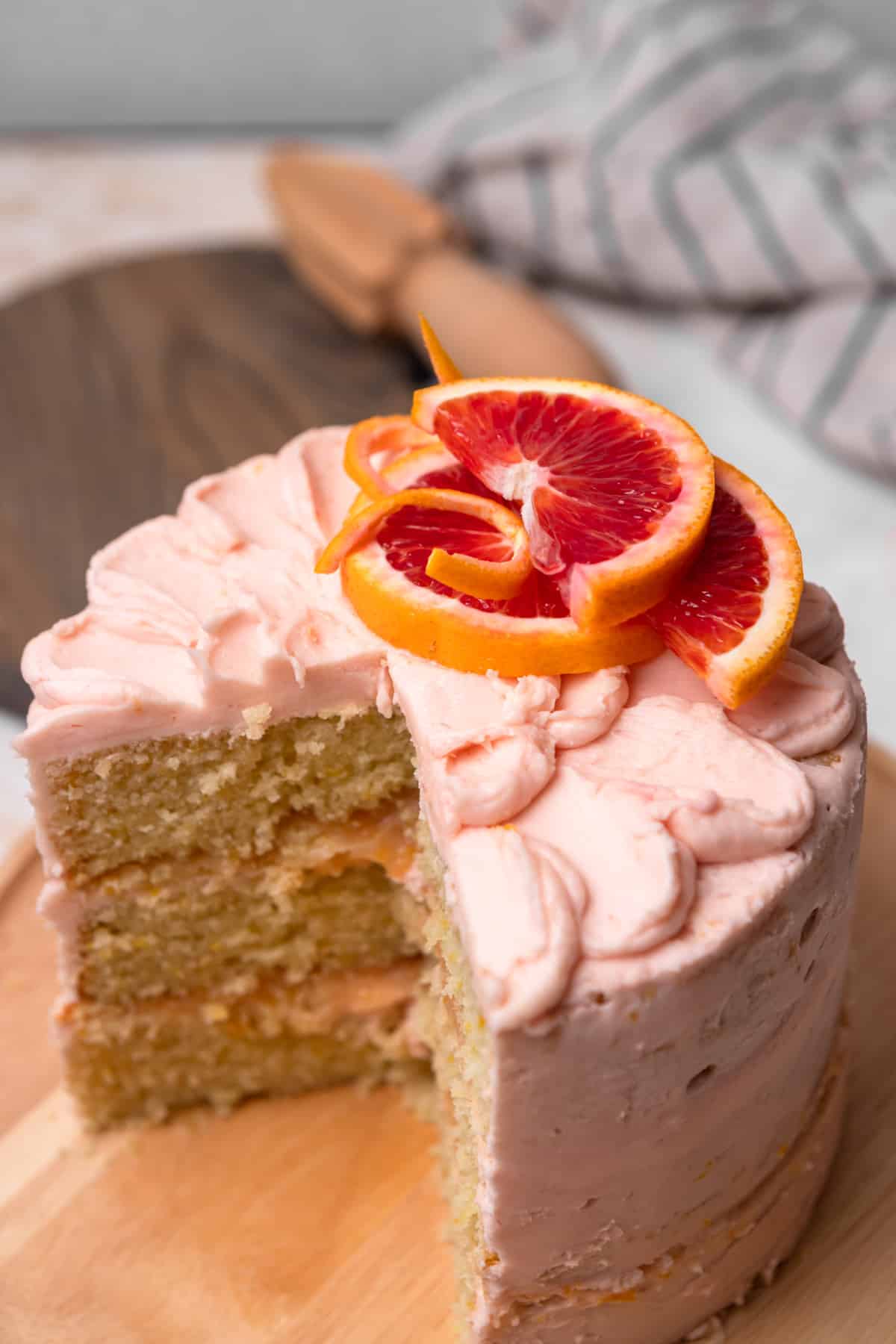
This blood orange cake is a citrus lover's dream! Fresh squeezed blood orange juice is in the cake layers, curd, and buttercream. Blood oranges are more floral and tart than your typical orange, and their red color makes the curd and frosting pink!
Layer cakes can seem intimidating, but I've broken down the process into easy steps in this recipe. You definitely don't need to be a cake decorating expert to make this zesty, delicious dessert. Your guests will be impressed by the taste alone!
If you love citrus desserts, try lemon lavender cupcakes, lemon mug cake, or lemon berry mascarpone cake next.
Jump to:
Why You'll Love This Recipe
- Fluffy, moist cake- Oil, buttermilk, and plenty of blood orange juice make the cake layers soft and moist.
- Eggless blood orange curd- The blood orange curd is made without eggs, so it's easier to make than a traditional curd with egg yolks. It's very similar to this eggless lemon curd!
- Blood orange buttercream- The buttercream frosting is light, fluffy, tart, and has such a pretty pink color. It makes the cake perfect for Valentine's Day!
Ingredient Notes
Here are notes about some of the ingredients used. For quantities and full instructions, see the recipe card below.
Ingredients for the Cake
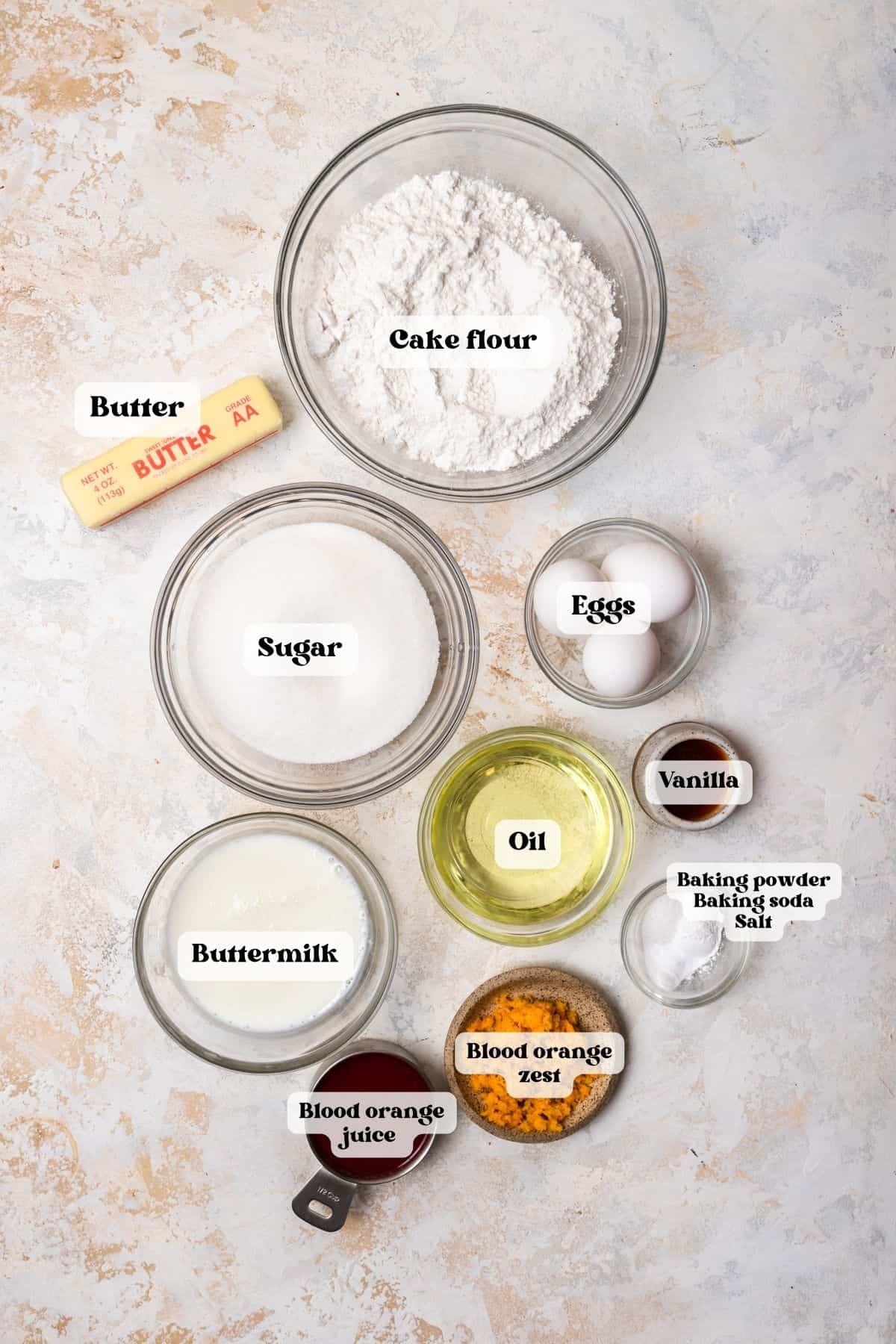
- Cake flour- This type of fine flour has less protein, which helps create a tender, soft cake.
- Leaveners- Baking powder and baking soda work together to help the cake rise and get fluffy in the oven.
- Salt- This activates the leavening agents and helps balance the sweetness.
- Granulated sugar- This sweetens the cake and holds on to moisture.
- Blood orange zest- The zest (the outer layer of the orange peel) has concentrated oils that add a tangy flavor and fragrance. Use a grater to remove the zest.
- Unsalted butter- Room temperature butter is mixed in with the dry ingredients. It coats the flour and prevents gluten stands from forming, making for a super tender cake.
- Oil- Making cake with oil helps it stay moist for days. Use neutral, flavorless oil like vegetable or canola.
- Eggs- 3 large eggs help bind the ingredients together as the cake bakes. Make sure they're room temperature.
- Orange and vanilla extract- These extracts help flavor the cake. Orange extract enhances the flavor of the blood orange juice just a bit!
- Buttermilk- This ingredient tenderizes the gluten to make the cake tender.
- Blood orange juice- Use freshly squeezed blood orange juice in all components of this recipe. Bottled juice doesn't taste nearly as good. Use a citrus squeezer to get the most juice from your oranges.
For the Curd
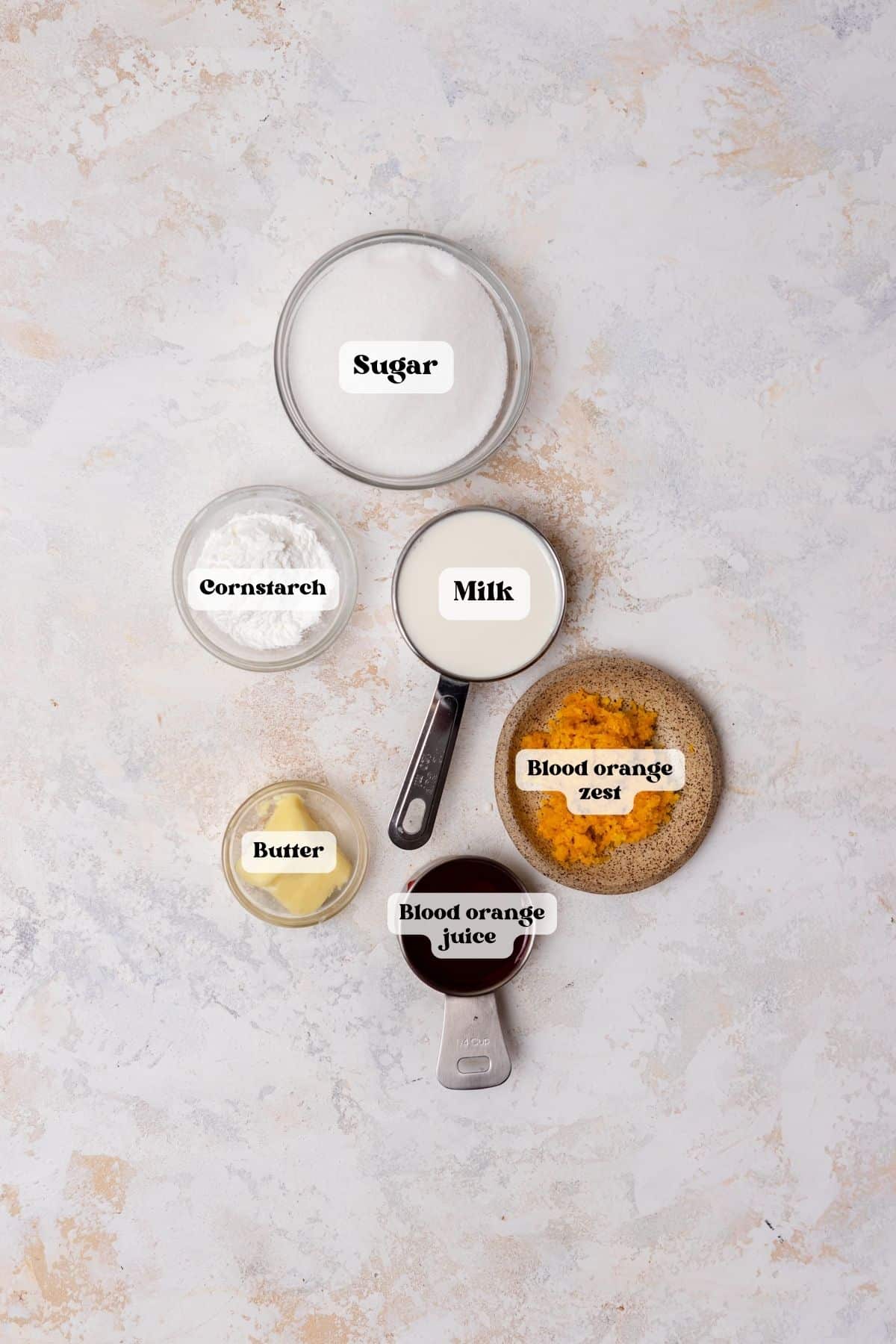
- Milk- Milk mimics the richness of egg yolks in traditional curd. You can also use half and half or heavy cream.
- Granulated sugar- This sweetens the curd and balances the tartness of the orange juice.
- Blood orange juice and zest- Fresh citrus gives the curd its tangy flavor.
- Cornstarch- A little bit of cornstarch helps to thicken the curd.
- Butter- This makes the curd creamy and helps it thicken. It needs to be cold to make it creamy and not greasy!
For the Buttercream

- Unsalted butter- This makes the frosting super creamy. Make sure it's softened.
- Powdered sugar- Also called confectioners or icing sugar, this adds structure and sweetness to the frosting. You don't have to sift it.
- Blood orange juice- This adds a bright, vibrant flavor, pink color, and helps thin the frosting a bit.
- Vanilla and orange extract- These extracts add a hint of extra flavor.
- Salt- Finely ground salt helps to balance the sweetness of the powdered sugar.
Substitutions & Variations
- Cake flour: Don't substitute cake flour with all purpose flour. Make a cake flour substitute if needed.
- Buttermilk: The best substitute for buttermilk is plain kefir. You can also make homemade buttermilk by mixing a cup of milk with 2 teaspoons vinegar or lemon juice.
- To make the cake gluten free, use a good 1-to-1 gluten free baking flour instead of cake flour.
- Decorate the cake with a different kind of frosting if desired, like thick cream cheese frosting or faux Swiss meringue buttercream.
Helpful Equipment & Tools
- 6-inch round cake pans: Use light colored aluminum pans, not silicone or glass. The cake will burn in silicone, and glass pans don't heat up evenly. I recommend non-stick pans, but if yours aren't, spray them with baking spray before lining with parchment rounds.
- To frost the cake, an offset spatula and bench scraper are super helpful for spreading the frosting evenly.
- Use a revolving cake decorating stand with a non-slip pad to enhance your decorating skills! The mat holds the cake in place, and the stand rotates so you don't have to reach around the cake.
Step by Step Instructions
Before you begin, preheat the oven to 350°F/180°C and spray 3 6" round cake pans with baking spray or line them with parchment paper. Set aside.
Note that this cake is made using the reverse creaming method. Instead of creaming the butter and sugar together first, the dry ingredients are mixed together and then the butter is mixed in. This method coats the butter with flour and reduces the amount of gluten that forms, which makes the cake more tender and fluffy!
How to Make the Cake
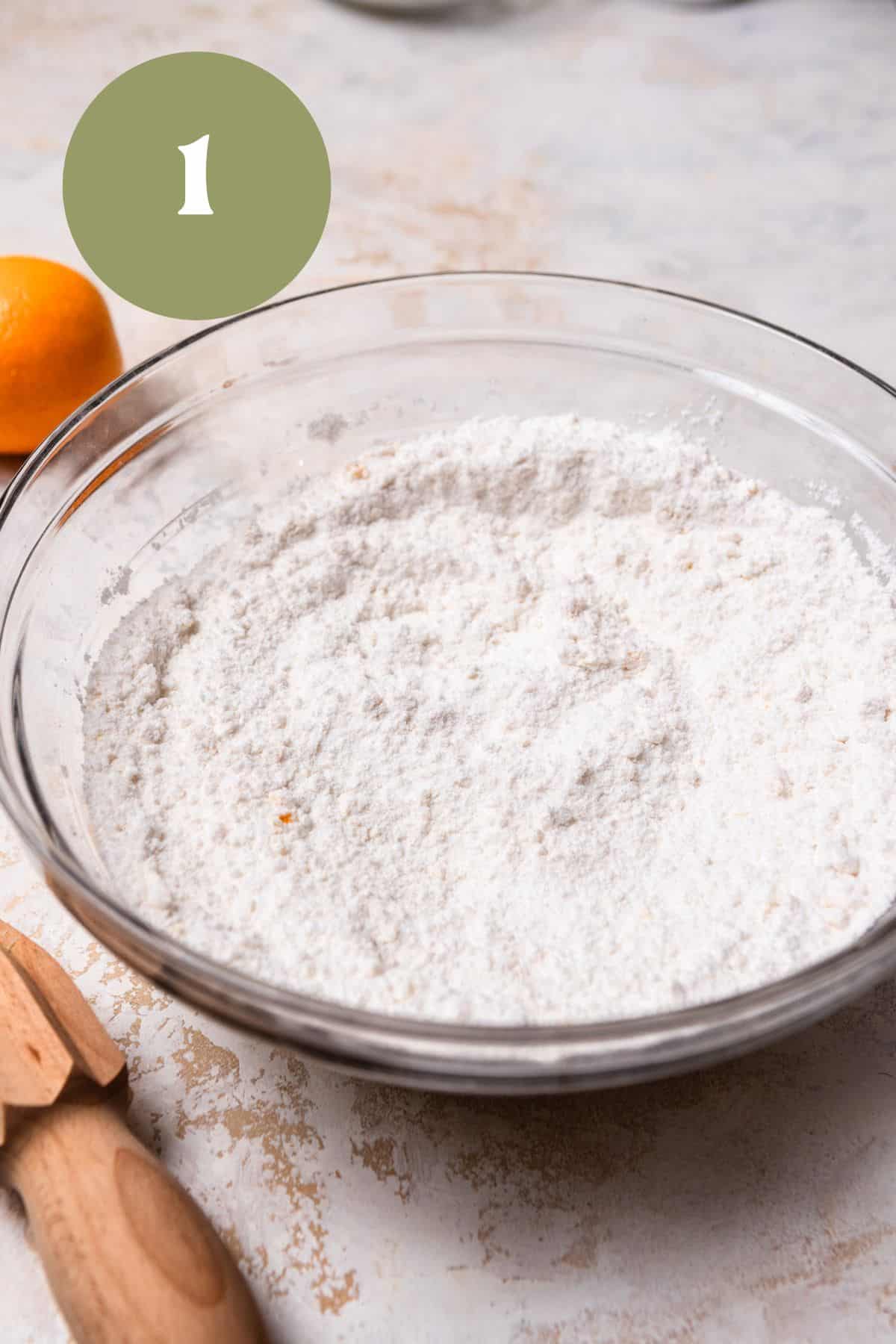
STEP 1: In the bowl of a hand mixer or stand mixer fitted with the paddle attachment, add the cake flour, baking powder, baking soda, salt, sugar and blood orange zest. Mix on low speed until combined.

STEP 2: Add the butter and mix for 30 seconds-1 minute until the mixture looks sandy.

STEP 3: Add the oil, eggs, vanilla, and orange extract to the bowl. Mix on low until a batter starts to come together.

STEP 4: Next, mix in the buttermilk and fresh blood orange juice. Mix on medium-low speed until the batter is well blended and thin.

STEP 5: Pour the batter evenly into the three pans and bake for 25-30 minutes. They're done when a toothpick inserted in the center comes out with a few moist crumbs attached.

STEP 6: Cool the cakes in their pans for 10 minutes, then flip onto a wire rack to cool completely while you make the blood orange curd.
How to Make the Curd
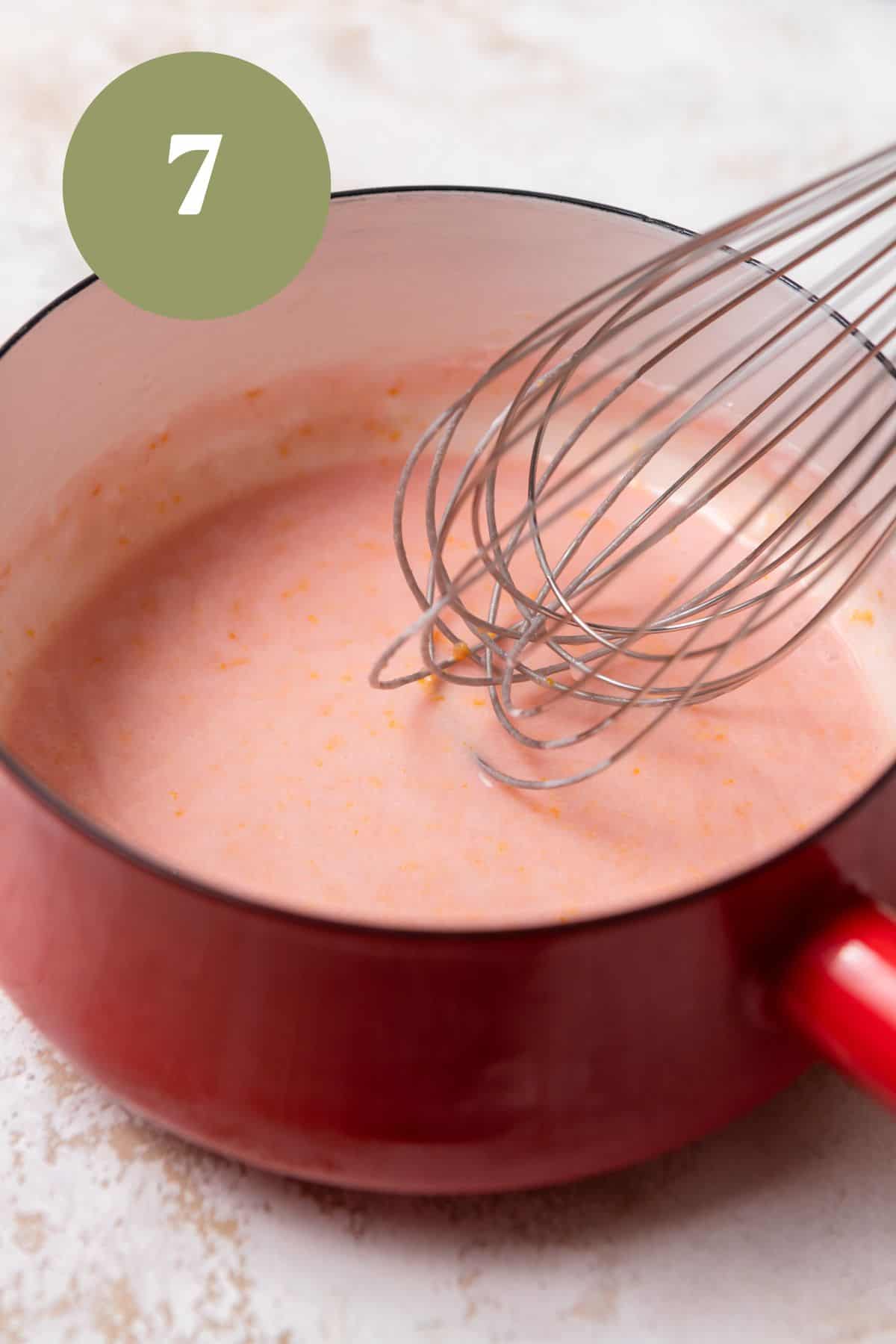
STEP 7: Place the milk, sugar, blood orange juice, and zest in a small saucepan over medium heat. Whisk until smooth and well combined.
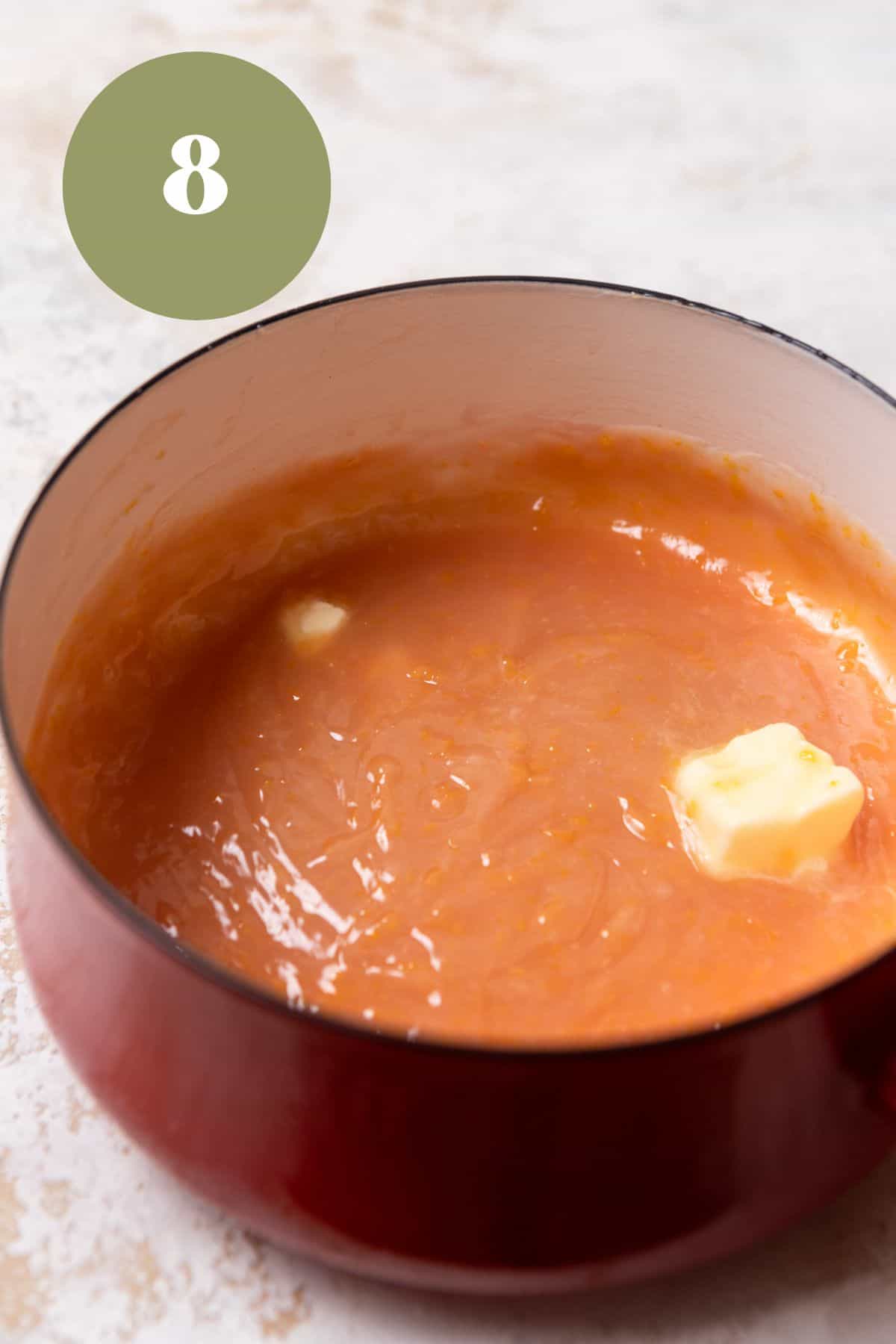
STEP 8: Add the cornstarch and cold butter to the pot, whisking constantly until they disappear and the mixture is smooth. Continue whisking until the curd comes to a simmer for about 5 minutes. It's done when it coats the back of a spoon.

STEP 9: Pour the curd into a heat-proof jar and place a piece of plastic directly on top to prevent a film. Cover and chill in the fridge for 1 hour.
How to Make the Blood Orange Buttercream
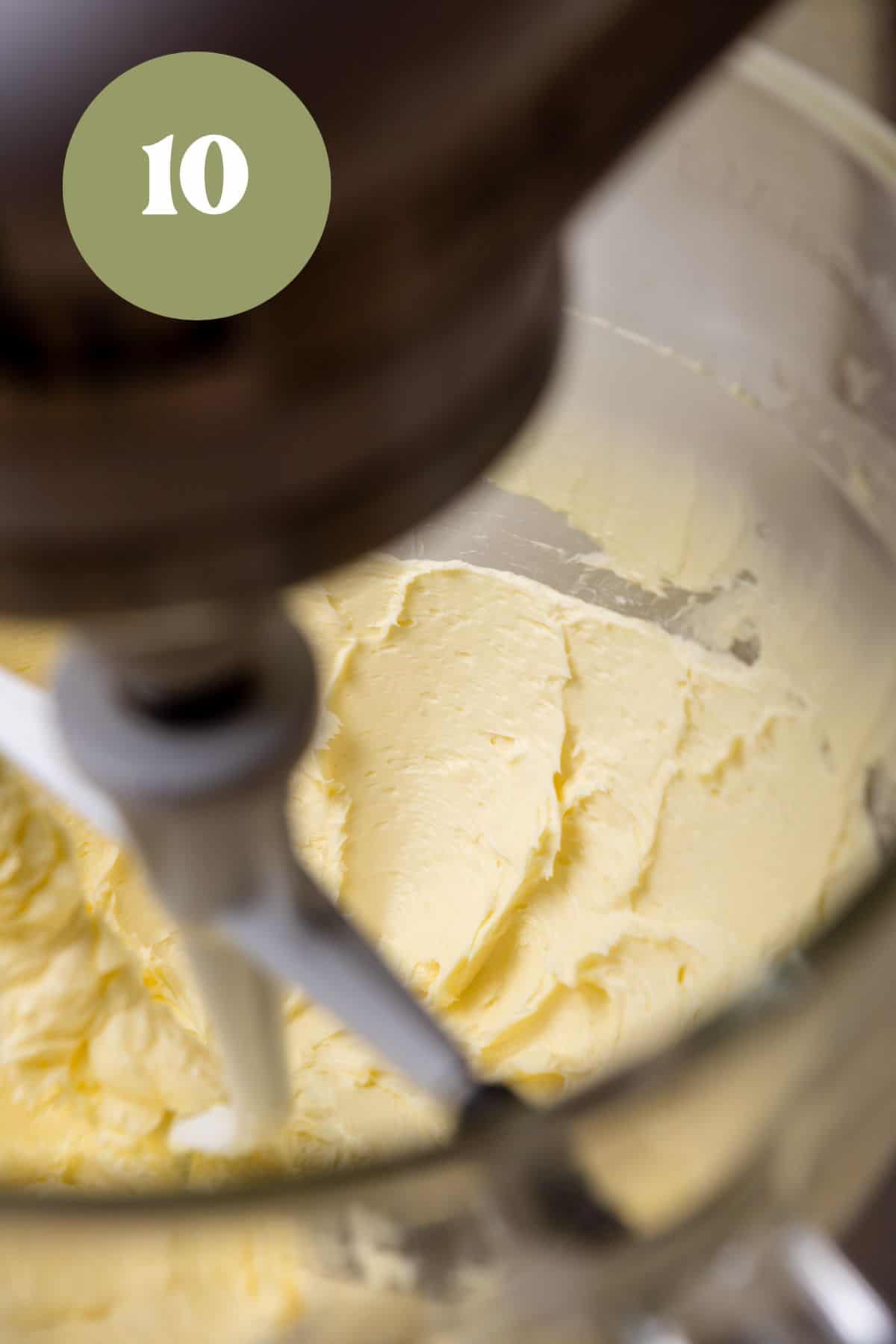
STEP 10: In the bowl of a hand or stand mixer fitted with a paddle attachment, cream the butter on medium-high speed for about 5 minutes until smooth and creamy.

STEP 11: Next, add the powdered sugar gradually on low speed, increasing to medium as the sugar incorporates. This takes 1-2 minutes.

STEP 12: Stop the mixer and scrape down the sides. Add the blood orange juice, vanilla, orange extract, and salt. Mix on low and then increase to medium for 2 minutes until fluffy.
How to Assemble
Level off the tops of the cake if needed. Fit a piping bag with a large round tip and fill it with buttercream.
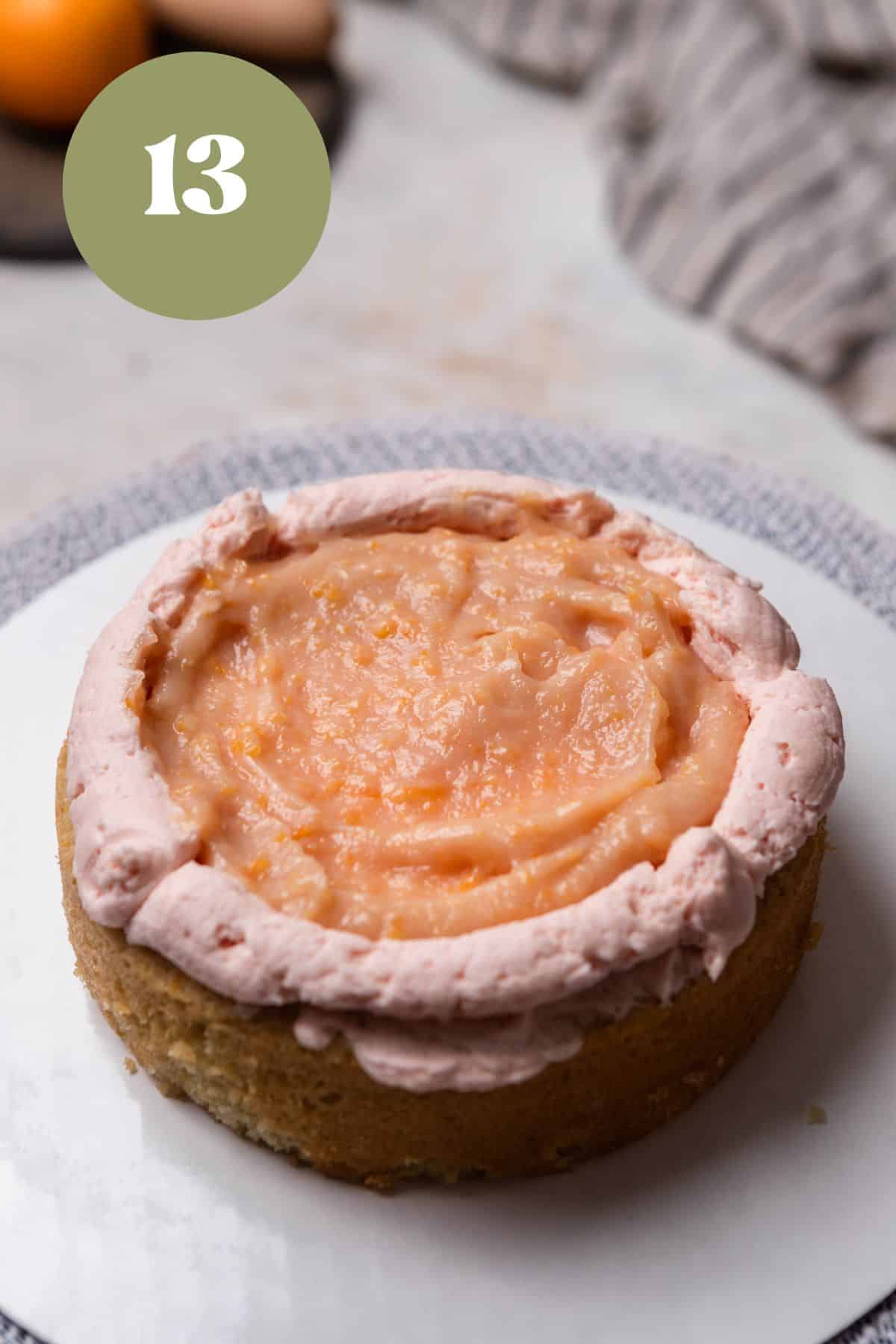
STEP 13: Place one cake layer on a cake board. Pipe a circle around the edges of the cake. This is called a dam and helps keep the filling inside the cake without spilling out and keeps the layers from sliding around.
Fill the center with curd. Repeat with the second cake layer, then top with the last layer of cake, flipping it upside down so the flat side is up.

STEP 14: Apply a thin layer of frosting all over. This is called a "crumb coat" and helps lock in crumbs so they don't mix with the last layer of frosting.
Chill the cake in the freezer for 20 minutes or until the frosting is dry to the touch.

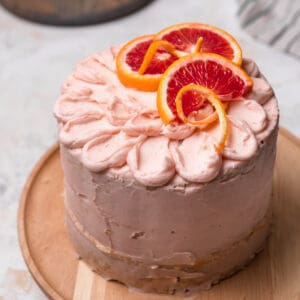
STEP 15: Frost the cake with the remaining buttercream. Decorate it with dollops on top and add blood orange slices and twists. Slice and enjoy!
Expert Baking Tips
- Use room temperature ingredients. Let the eggs, butter, and buttermilk reach room temperature before using them so they mix in easily and evenly.
- Use a digital kitchen scale. Weigh the ingredients in grams for the most accurate results.
- Don't overbake the cake. Check the cake a few minutes before the suggested baking time. It's done when a toothpick inserted in the center comes out with a few sticky crumbs and no wet batter. It'll be dry if it's overbaked!
- Chill the cake before frosting so it's easier to decorate. If your cake layers are too warm, the frosting will melt and slide off.
Storage & Freezing
Store the blood orange cake in the refrigerator covered with plastic wrap or in an airtight container. It'll stay fresh for up to 4 days. Store leftover orange curd in a separate container in the fridge for up to 1 week.
Freezing
The cake can be frozen for up to 3 months. It's best to freeze the cake without the curd filling and frosting. Wrap each cake layer tightly with plastic wrap and place in a freezer-safe container or bag. To thaw, remove from the freezer and let reach room temperature before assembling and decorating.
Leftover frosting can be frozen for up to 3 months in a sealed container too. Make sure to thaw it overnight in the refrigerator and give it a good mix before you use it.
The curd can be frozen for up to 6 months too in a separate airtight container. Thaw in the refrigerator overnight before using.

Frequently Asked Questions
Yes, you can use 2 6-inch round pans, 2 8-inch round pans, or a 9x13 inch pan to make a sheet cake.
You may have added too much flour or over-baked the cake. Measuring the flour in grams with a kitchen scale will have the best results!
Yes! Navel oranges, tangerines, Seville oranges, and cara cara oranges all work.
Other Cake Recipes to Try
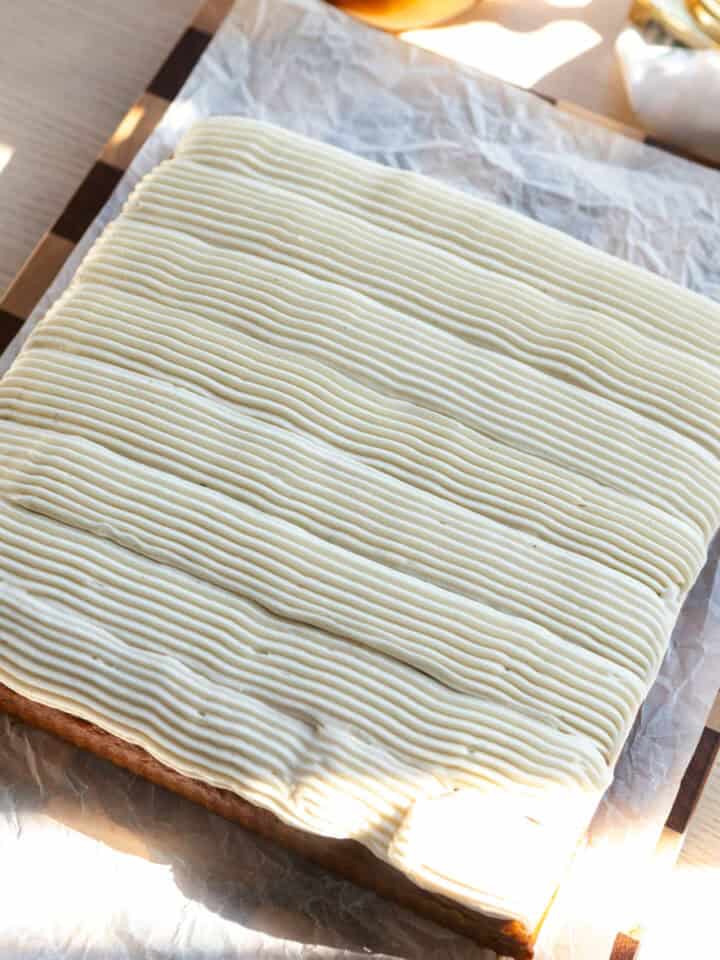
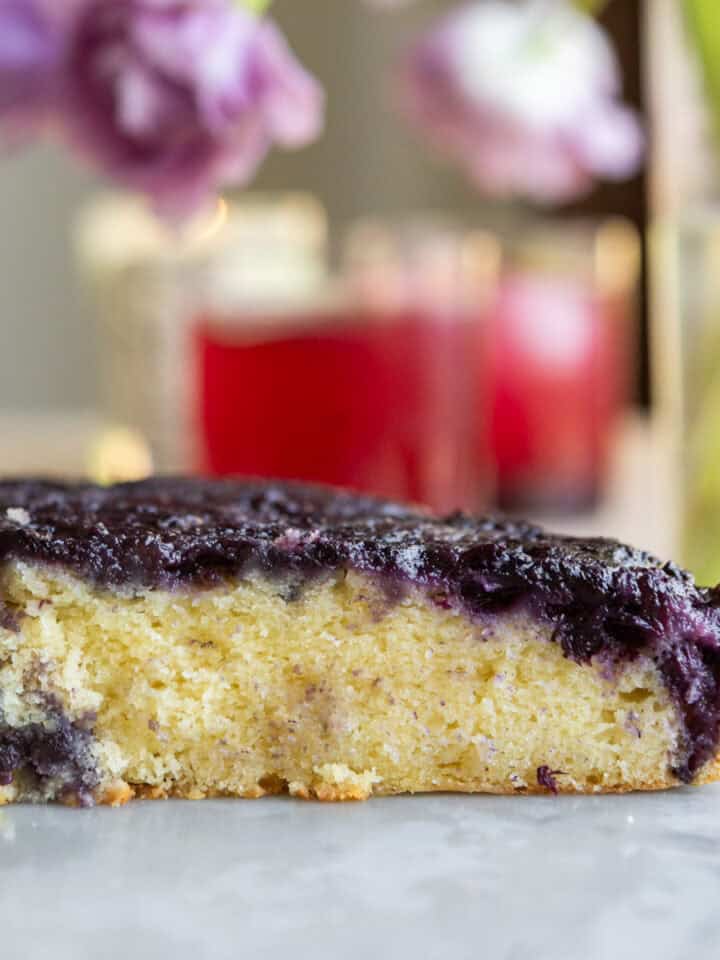


📖 Recipe
Blood Orange Cake

Equipment
- 1 5-quart stand mixer or hand mixer
Need Metric or US Customary Measurements?
Use the buttons below to toggle between grams and cups!
Ingredients
Blood Orange Cake
- 300 grams cake flour
- 1 ½ teaspoon baking powder
- ⅜ teaspoon baking soda
- ½ teaspoon salt
- 300 grams granulated sugar
- 3 tablespoon blood orange zest
- 113 grams unsalted butter softened
- 120 grams vegetable oil
- 3 large eggs room temperature
- 2 teaspoon vanilla extract
- 1 teaspoon orange extract
- 120 grams buttermilk room temperature
- 120 grams blood orange juice
Blood Orange Curd
- 123 grams milk
- 100 grams granulated sugar
- 65 grams blood orange juice
- 2 tablespoon blood orange zest
- 1 tablespoon cornstarch
- 1 ½ tablespoon unsalted butter cold
Blood Orange Buttercream
- 227 grams unsalted butter softened
- 450 grams powdered sugar
- 60 grams blood orange juice
- ½ teaspoon vanilla extract
- ¼ teaspoon orange extract
- ¼ teaspoon salt
Instructions
For the Cake
- Preheat the oven to 350°F/180°C and spray 3 6" round cake pans with baking spray or line with parchment paper. Set aside.
- In the bowl of a hand mixer or stand mixer fitted with the paddle attachment, mix cake flour, baking powder, baking soda, salt, sugar, and blood orange zest on low speed until combined.300 grams cake flour, 1 ½ tsp baking powder, ⅜ tsp baking soda, ½ tsp salt, 300 grams granulated sugar, 3 tbsp blood orange zest
- Beat in the butter until the mixture looks sandy.113 grams unsalted butter
- Add the oil, eggs, vanilla, and orange extract. Mix on low until combined.120 grams vegetable oil, 3 large eggs, 2 tsp vanilla extract, 1 tsp orange extract
- Mix in the buttermilk and blood orange juice on medium-low speed until the batter is well blended.120 grams buttermilk, 120 grams blood orange juice
- Pour the batter evenly between 3 pans. Bake for 25-30 minutes or until a toothpick inserted in the center comes out clean.
- Remove from the oven and let the cakes cool in their pans for 10 minutes, then flip onto a wire rack to cool completely while you make the curd.
For the Curd
- Place milk, sugar, blood orange juice, and zest in a small saucepan over medium heat. Whisk until well combined.123 grams milk, 100 grams granulated sugar, 65 grams blood orange juice, 2 tbsp blood orange zest
- Add the cornstarch and cold butter to the pot, whisking constantly until smooth. Whisk until the curd comes to a simmer for about 5 minutes. It's done when it coats the back of a spoon.1 tbsp cornstarch, 1 ½ tbsp unsalted butter
- Pour the curd into a heat-proof jar. Cover and chill in the fridge for 1 hour.
For the Buttercream
- In the bowl of a hand or stand mixer fitted with a paddle attachment, cream the butter on medium-high speed until smooth and creamy.227 grams unsalted butter
- Gradually add the powdered sugar on low speed, increasing to medium as the sugar incorporates. Scrape down the sides of the bowl.450 grams powdered sugar
- Add the blood orange juice, vanilla, orange extract, and salt. Mix on low. Increase to medium speed until fluffy.60 grams blood orange juice, ½ tsp vanilla extract, ¼ tsp orange extract, ¼ tsp salt
Assembly
- Level off the tops of the cake if desired. Fit a piping bag with a large round tip and fill with buttercream.
- Place one cake layer on a cake board. Pipe a circle around the edges of the cake and fill the center with curd. Place another cake layer on top and repeat.
- Place the last cake layer on top with the flat side facing up. Apply a thin coat of frosting (or crumb coat) around the entire cake. Chill in the freezer for 20 minutes.
- Frost the cake with the remaining buttercream. Decorate with buttercream dollops on top and add blood orange slices and twists. Slice and enjoy!


Comments
No Comments